The U.S. Electoral Process and Its Impact on Mexico's Fintech Ecosystem
October 17, 2024 – Industry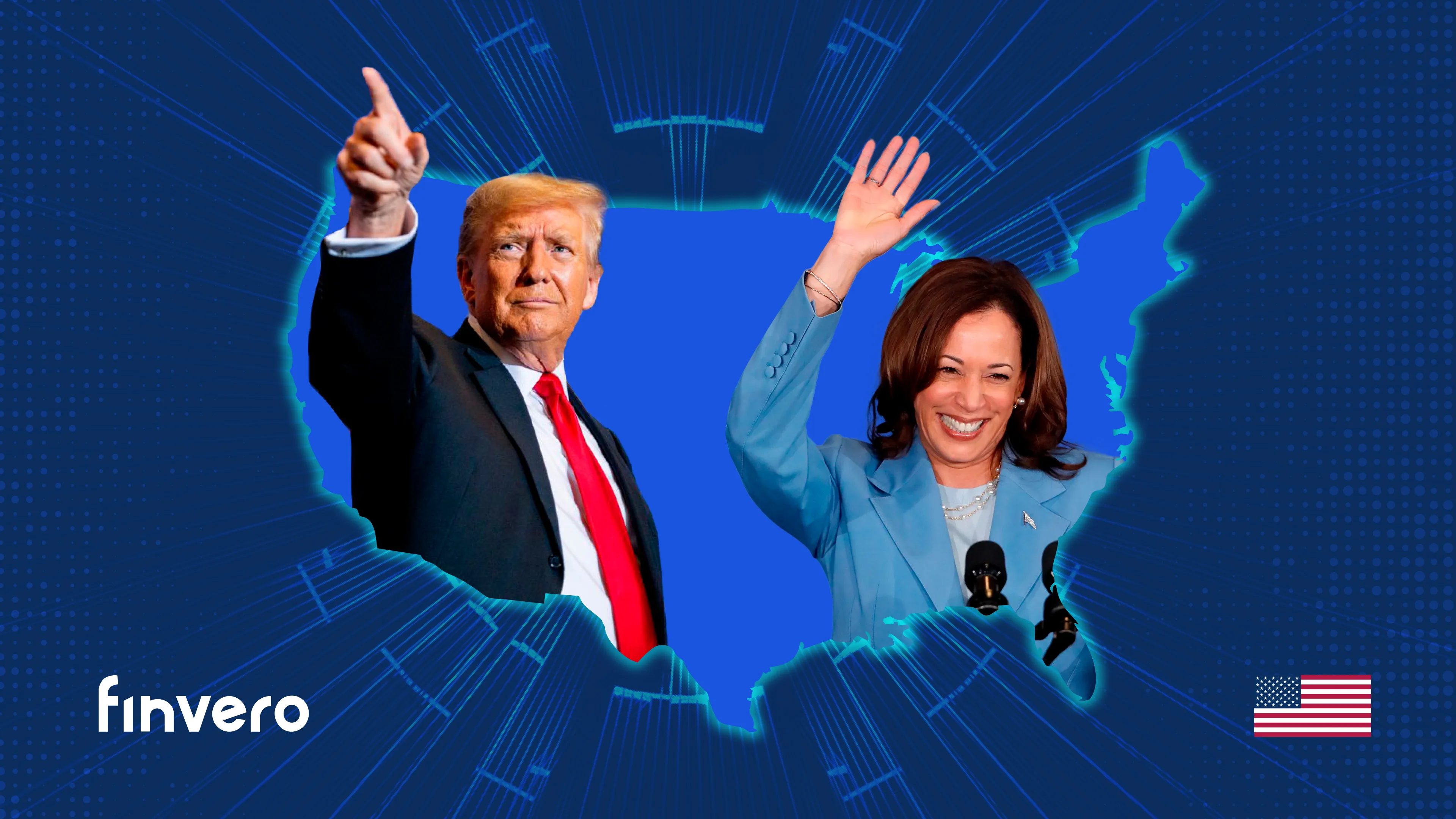
The electoral race in the United States, with Donald Trump and Kamala Harris as the main candidates, is creating a domino effect on economies and key sectors worldwide, including Mexico's fintech ecosystem. Decisions on trade policy, technology regulation, and foreign investment could undergo substantial changes.
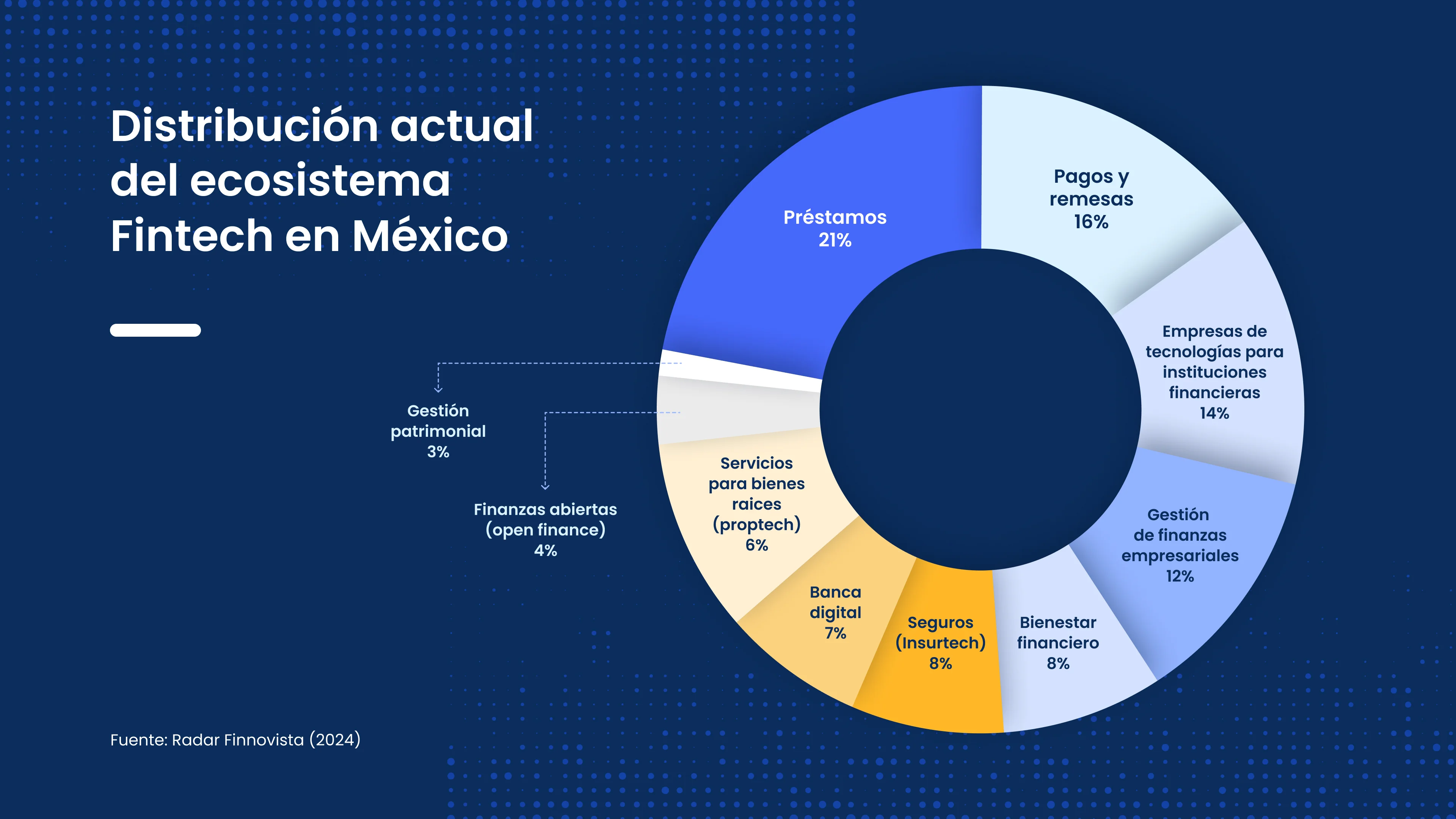
Mexico's fintech ecosystem has grown 18.9% since 2022, reaching 773 companies and almost a thousand solutions in total. According to the classification by Finnovista (2024), it is made up of eleven distinct segments, which reflect the diversity and breadth of the solutions that fintechs are offering in the market.
Trump's policies, which include greater oversight of technology and national security, could slow technology innovation collaboration between the two countries. On the other hand, Harris could foster a more flexible regulatory environment, allowing Mexican fintech startups to benefit from a climate that is more open to investment.
One of the key points in Trump's and Harris's policy proposals is their approach to the regulation of artificial intelligence (AI). Trump, who has taken a less interventionist stance in the past, could encourage growth without excessive restrictions in the technology sector. On the other hand, Harris has shown interest in stricter regulation, which could slow the advance of AI in certain sectors.
Trade and tariffs: China, Mexico and the US
Trump has proposed universal 10% tariffs on all Mexican exports, which would affect Mexican industries that depend on trade with the United States. This could put the financial ecosystem, particularly the payments and lending sector, under pressure from economic uncertainty. However, a Harris victory would result in a more predictable approach, with less volatility for companies in this sector.
According to UBS, electoral uncertainty in the U.S. will generate volatility in the Mexican peso. A Trump victory could weaken the currency, which would affect corporate debt and fintech investments. In contrast, USD-denominated corporate debt remains a favorable investment, while local-currency bonds could face challenges.
Impact on remittances and immigration
Remittances are a crucial economic pillar for Mexico, accounting for 4% of its GDP. If Trump returns to the White House, he is likely to adopt stricter immigration policies, which could reduce the flow of remittances to Mexico. This would affect fintechs focused on financial services for families that receive remittances. On the other hand, a Harris administration could ease immigration restrictions, keeping remittances relatively stable and allowing fintechs to continue developing solutions for this segment.
KPMG destaca que América, se consolidó como la región con mayor inversión en fintech, específicamente en el sector de pagos, reaching $36 billion in 2023. Dentro de este sector, las regtech (tecnologías regulatorias) vieron un aumento significativo en las inversiones. El desenlace de las elecciones estadounidenses tendrá repercusiones profundas para México, especialmente en el ecosistema fintech. La volatilidad económica, las políticas comerciales y las regulaciones tecnológicas pueden influir en cómo se desarrollan las fintech en México. A pesar de los desafíos, México tiene la oportunidad de consolidar su posición como un key strategic partner for the United States, lo que podría fortalecer su sector fintech a largo plazo, facilitando la innovación y atrayendo inversiones. Suscríbete a nuestra newsletter y mantente a la vanguardia con las tendencias y las noticias más relevantes del ecosistema financiero. Descubre cómo nuestra plataforma de inteligencia artificial con datos alternativos, está transformando el ciclo de vida del crédito. Subscribe!
 Facebook
 Linkedin
 Instagram
 Whatsapp